Major Projects
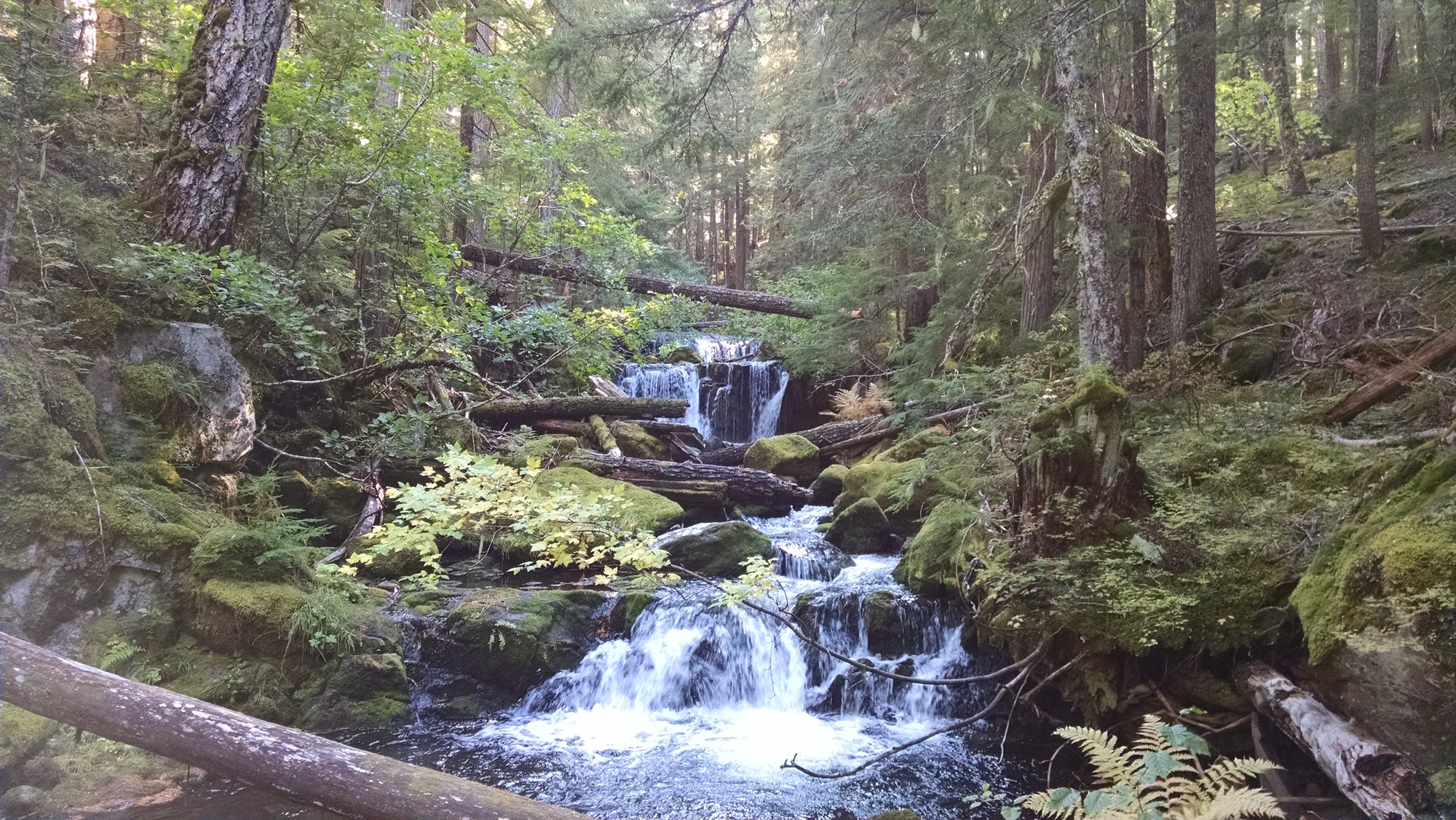 Photo: Steve Starcevich
Clackamas River Bull Trout Reintroduction Monitoring
Bull Trout disappeared from the Clackamas River basin over 60 years ago. In 2011, a program began to bring them back, with the goal of building a healthy population of 300–500 adults. During the first phase of the program (2011–2016), Bull Trout were collected from the Metolius River basin. Each fish was implanted with a PIT tag and released into areas of the Clackamas River basin with suitable habitat. Since the releases ended, our team has tracked the progress of the reintroduction each year using redd surveys, PIT tag detection arrays, environmental DNA (eDNA) surveys, and stream temperature monitoring. Monitoring continues each year, with a focus on understanding what helps young Bull Trout born in the basin survive to adulthood.
 Photo: Fred Monzyk
Warner Sucker Recovery
The Warner Sucker is a federally threatened sucker endemic to the lakes and tributaries of the Warner Basin in southeastern Oregon. The species was listed due to habitat fragmentation and threats from nonnative species introduced to the Warner Lakes. A major component of the Recovery Plan is to reestablish connectivity within the Warner Basin by constructing fish passage modifications at diversion dams that currently restrict movement. NFI conducts investigations of fish passage through these modified structures, monitors the distribution and abundance of Warner Sucker throughout the basin, and has developed and field-tested an eDNA assay that enables more efficient and spatially comprehensive detection surveys. Recent work has focused on passage success at JJ and O'Keeffe diversion dams and updating distribution data for Deep Creek and Twentymile Creek.
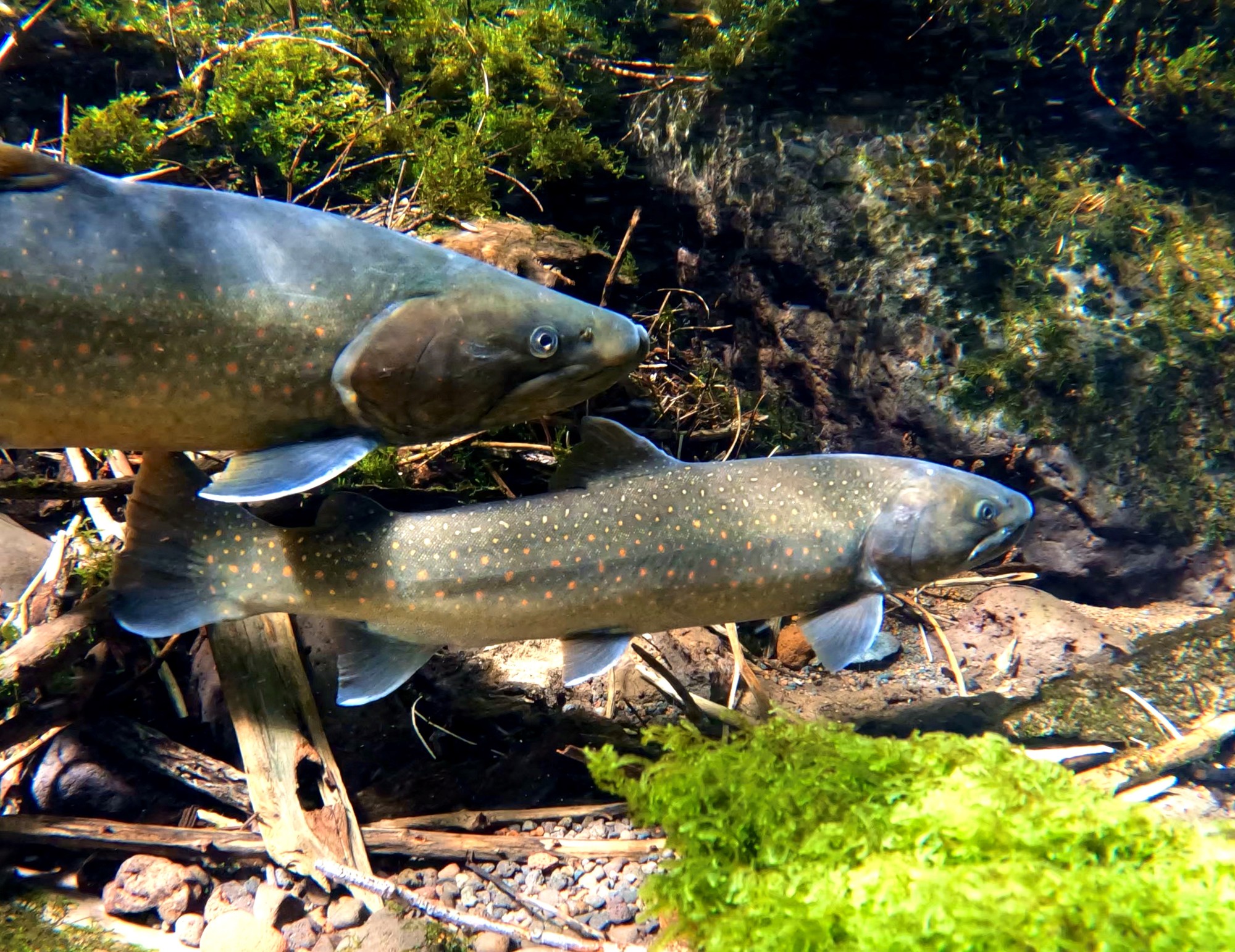 Photo: Vince Tranquilli
Upper Willamette Bull Trout Research, Monitoring, and Conservation
Bull Trout historically occupied the McKenzie River and Middle Fork Willamette River basins within the Upper Willamette Basin. By the 1990s, only three spawning populations remained, all in the McKenzie River Basin. This project supports recovery through both active management and long-term monitoring. Management actions include the capture and upstream transport of adult Bull Trout past Hills Creek and Cougar dams and the translocation of juvenile Bull Trout from source populations to reintroduction sites. Research and monitoring activities include assessing population abundance and demographic characteristics, recruitment, and spawning; tracking population connectivity and movement patterns across life stages; genetic monitoring; and evaluating habitat suitability at potential reintroduction sites.
Oregon Chub Monitoring
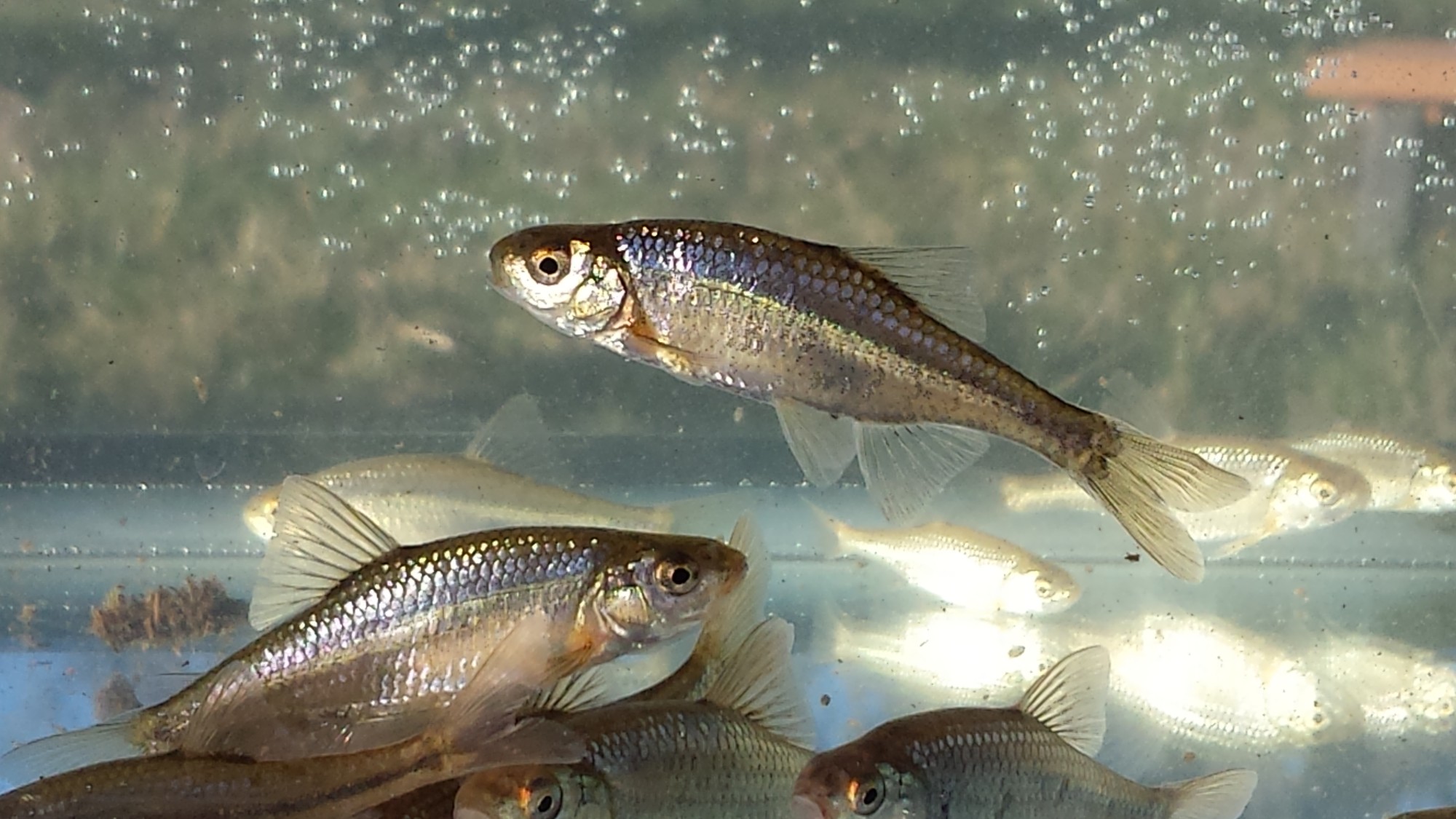
The Oregon Chub (Oregonichthys crameri) is a small minnow endemic to the Willamette River drainage of western Oregon. Listed as Endangered in 1993 due to extensive habitat loss, curtailed distribution, and predation by nonnative species, collaborative conservation efforts led to its delisting in 2015 — the first fish removed from the Endangered Species List due to recovery. A 9-year post-delisting monitoring plan concluded in 2023, confirming 137 known populations with abundance exceeding all post-delisting monitoring criteria. NFI has continued to conduct monitoring in collaboration with others to ensure the continued success of the species. Oregon Chub populations serve as an indicator of the health and stability of the Willamette River's aquatic ecosystems.
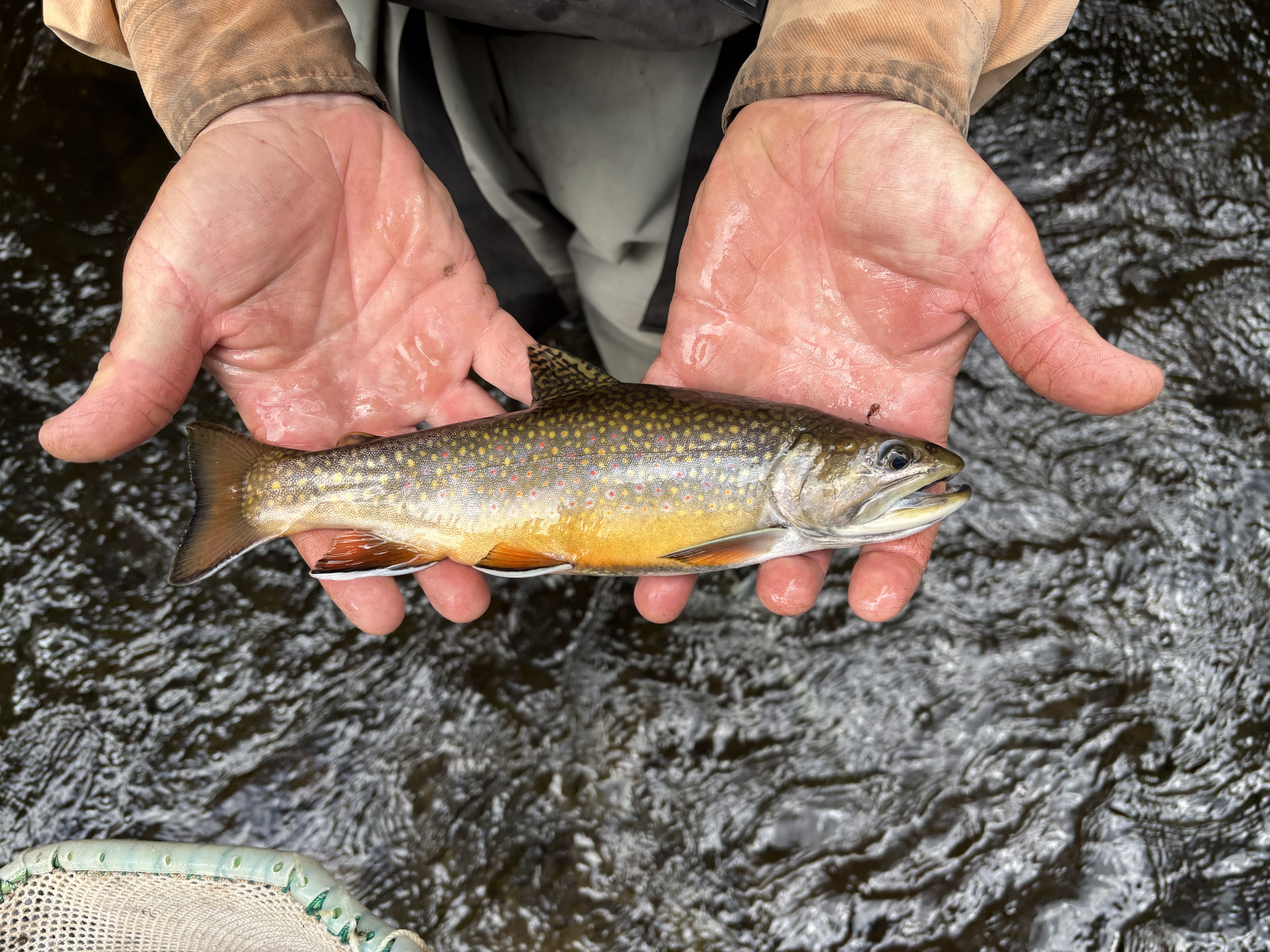 Photo: Mike Meeuwig
MYY Brook Trout Suppression
Brook Trout are a nonnative species in many western states that negatively affect native Bull Trout through competition and hybridization. Traditional suppression methods such as manual or chemical removal are labor intensive or may harm non-target species. MYY Brook Trout are hatchery-reared fish carrying two Y chromosomes; when they spawn with wild females, all offspring are male. Continued stocking can produce an increasingly male-skewed sex ratio, leading to demographic collapse and extirpation. As part of a broader effort organized by the Western Association of Fish and Wildlife Agencies, ODFW has initiated a field study in the Upper South Fork Sprague River in the Klamath Basin, where nonnative Brook Trout occupy about 35 km of stream habitat at densities exceeding two fish per meter. Project activities include annual removal of wild Brook Trout, stocking of MYY fish, monitoring of their distribution and survival, and assessment of sex ratio changes over time.
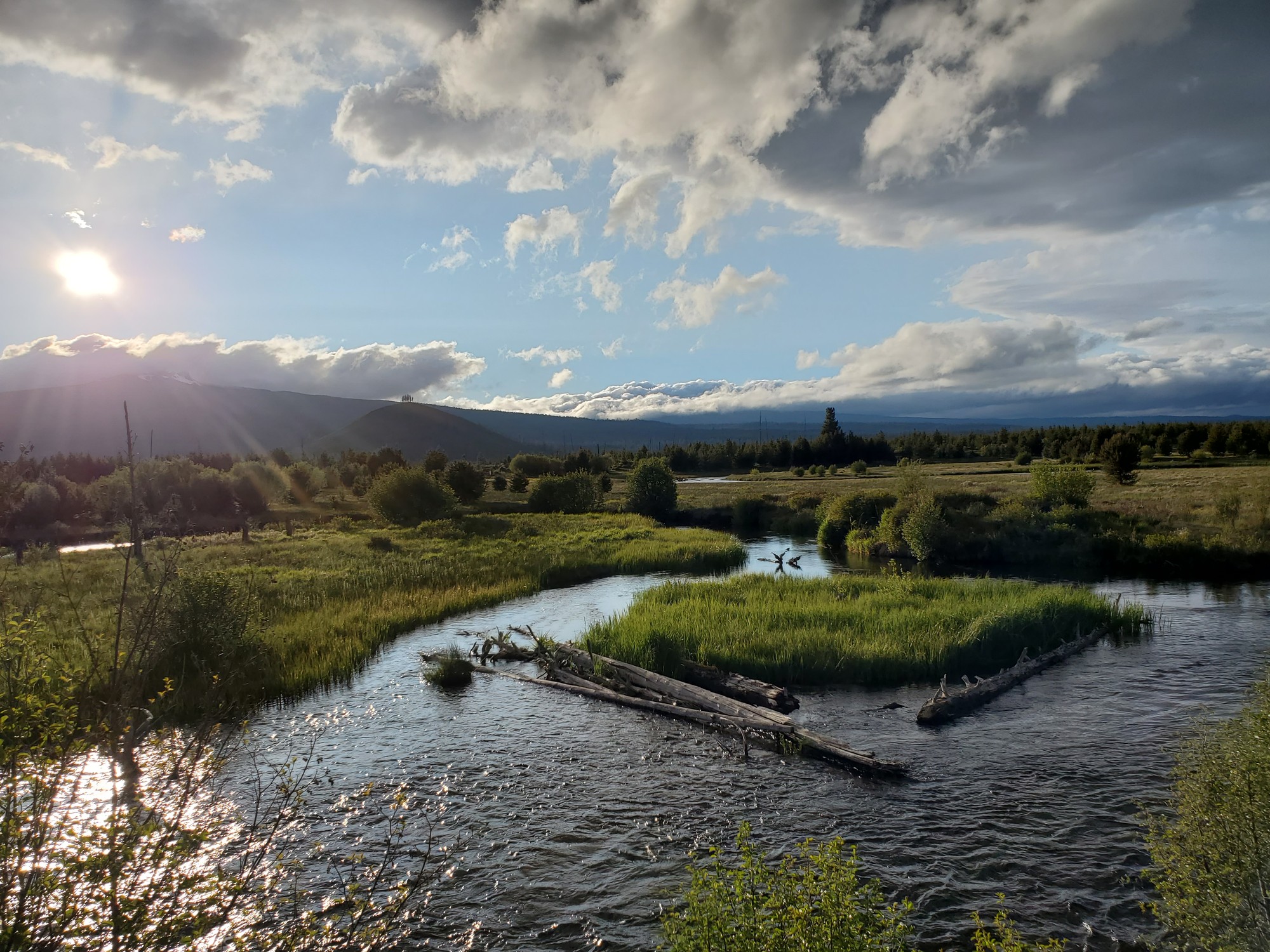 Photo: Steve Starcevich
Odell Lake Bull Trout Research and Monitoring
Odell Lake, Davis Lake, and their tributaries comprise an isolated, headwater ecosystem in the central Cascade Range of Oregon, occupied by a threatened Bull Trout population. Federal recovery plans identify habitat degradation, limited spawning and rearing habitat, angling, and effects of nonnative fishes as threats to this population. NFI and its partners have been involved in research and monitoring in the Odell Lake Core Area for over two decades. Recent efforts have evaluated the distribution of juvenile and adult Bull Trout, availability of spawning and rearing habitat, the abundance of spawning Bull Trout, ecological interactions between Bull Trout and other fishes in Odell Lake, juvenile survival and distribution, and the use of spawning gravel augmentation to improve spawning habitat.
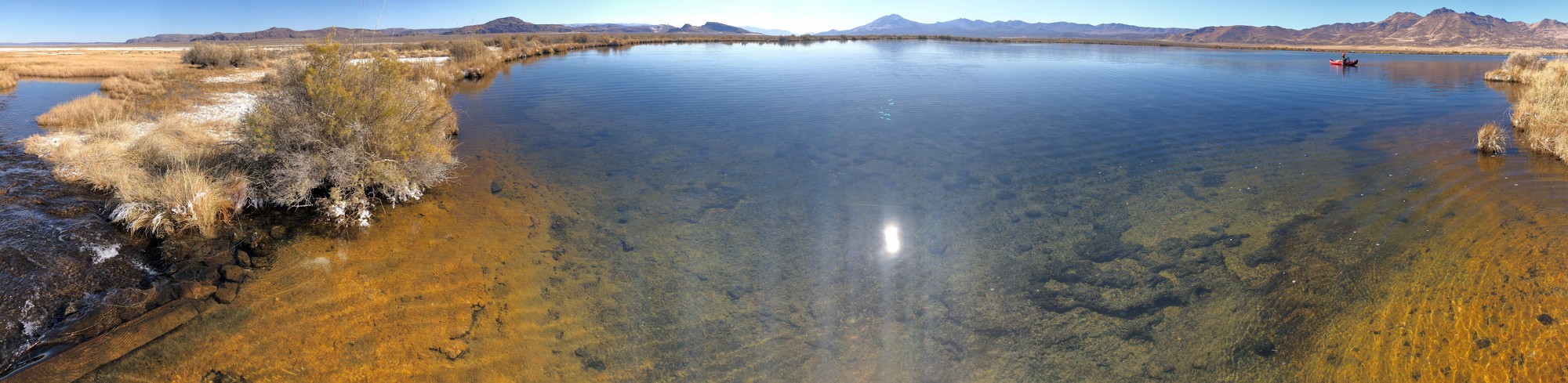 Photo: Alex Harrison
Borax Lake Chub Investigations
The Borax Lake Chub (Siphateles boraxobius) is a small minnow found only in Borax Lake in the Alvord Basin of southeastern Oregon. Fed by geothermal hot springs rich in dissolved minerals and heavy metals that most fish cannot tolerate, Borax Lake is a unique and fragile habitat. The species was listed as Endangered in 1982, and significant habitat protections — including land acquisition by The Nature Conservancy, groundwater protection, vehicle access control, and livestock exclusion — led to its delisting in 2020. A post-delisting monitoring plan developed by USFWS, ODFW, BLM, and TNC includes monitoring population abundance, habitat conditions, and geothermal activity for 10 years following delisting. NFI conducts population estimates every three years, and monitors water temperature and elevation. The most recent population estimate (2024) found approximately 58,633 individuals, slightly above the long-term average.
 ⚠️ PLACEHOLDER
Foskett Speckled Dace Post-Delisting Monitoring
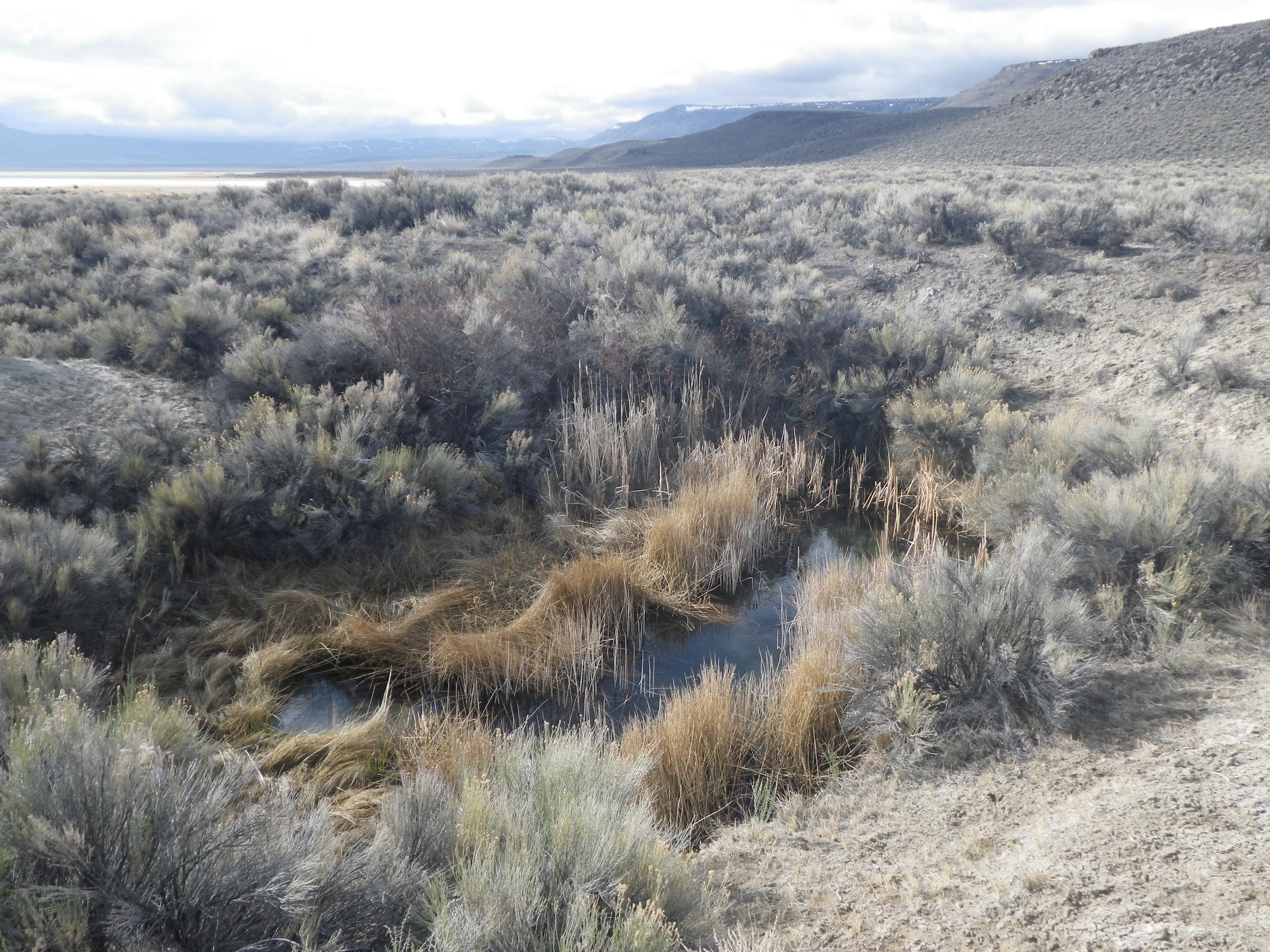
Foskett Speckled Dace (Rhinichthys osculus ssp.) are a distinct evolutionary lineage of the widely distributed speckled dace, restricted to two spring sites — Foskett Spring and Dace Spring — in the Coleman Lake subbasin of southeastern Oregon. The species was listed as threatened in 1985 because of its limited range and the threat of habitat loss from cattle grazing; land acquisition and fencing by the Bureau of Land Management addressed those threats, and it was removed from the Endangered Species List in 2019. The population is considered conservation reliant, because open water at both springs requires active management to keep tules and cattails from filling in the spring channels and marsh pools. NFI monitors abundance and habitat conditions at both springs in cooperation with the BLM and USFWS, under a post-delisting monitoring plan and a long-term cooperative management plan. In 2023, NFI estimated roughly 8,741 dace at Foskett Spring — well above the post-delisting threshold of 500 adults — but the smaller Dace Spring population had declined to 189–388 fish, down from nearly 2,000 in 2018, with no young-of-year captured.